
DIVORCE | ADOPTION | ELDER LAW
Your Family Law Firm
Understanding Judicial Discretion in Florida Family Law Cases
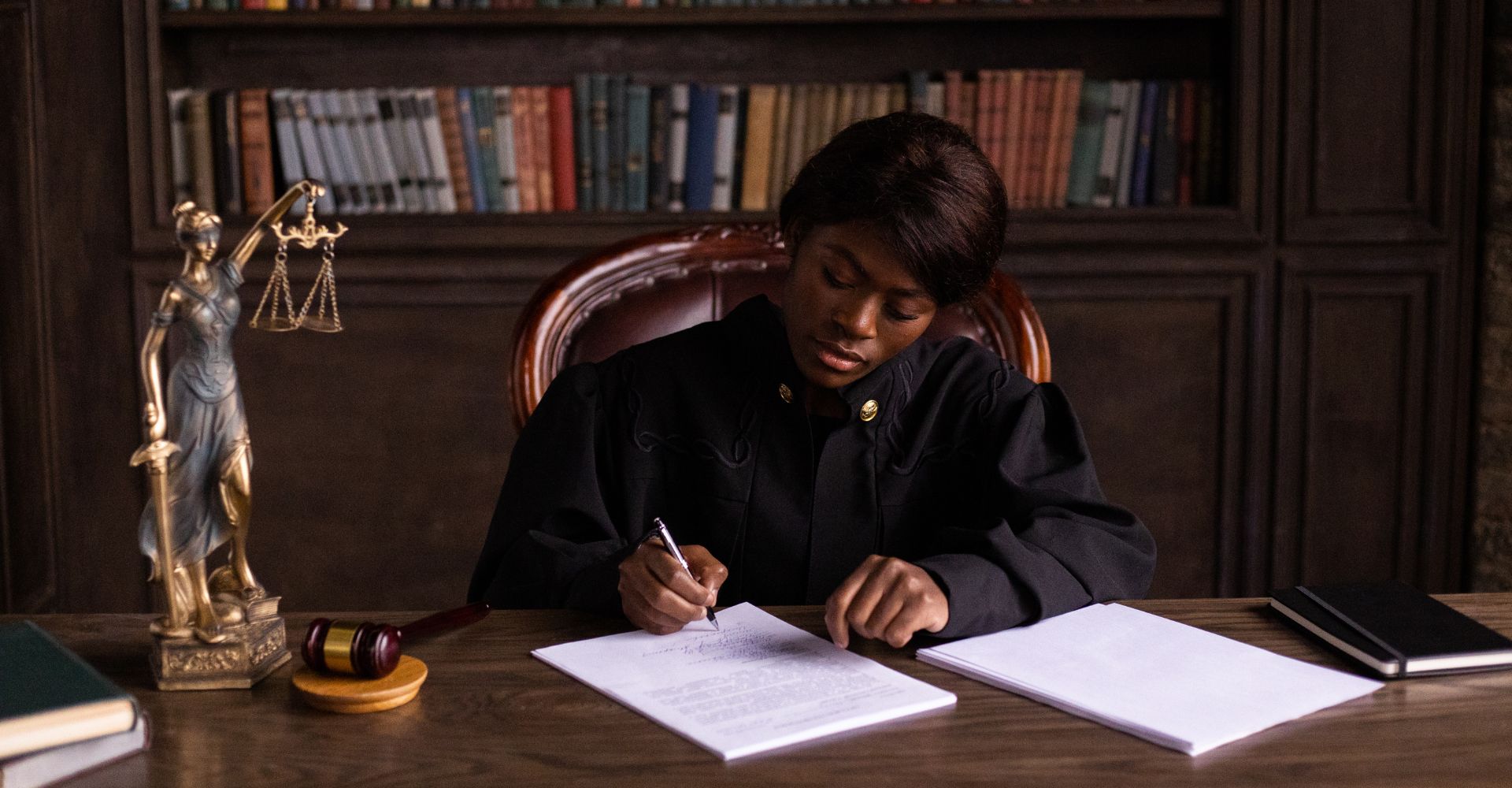
In Florida family law cases, there is often a perception that the law is black and white. But in a courtroom, the law is rarely so straightforward. The facts are often in dispute, the credibility of witnesses may be called into question, and the emotional stakes are high. Judges often hear conflicting testimony and evidence at trial, and they are responsible for the ultimate decision in the case. This responsibility involves a concept that is foundational to our legal system: judicial discretion.
Judicial discretion is the authority granted to judges to make decisions based on their interpretation of the facts, the credibility of the evidence, and the particular circumstances of each case. It is especially critical in family law, where many decisions are not dictated by rigid statutes or precedents, but by equitable considerations that aim to serve the best interests of the parties involved, particularly children.

The Role of Judicial Discretion
In family law proceedings, such as divorce and paternity cases, trial judges frequently encounter situations where the facts are contested or ambiguous. For instance, in a custody dispute, both parents may present themselves as the more fit custodian. Each may accuse the other of misconduct or argue that the child has formed a stronger bond with them. The judge must sift through this testimony, evaluate the reliability of witnesses, and weigh the credibility of the evidence presented. This is not an exact science—it requires judgment, experience, and sometimes, intuition.

Factors Influencing a Judge’s Interpretation of the Facts
Various factors can influence the discretion of a judge in a Florida family law case. Some of the factors that may influence a judge’s fact-finding include:
- Witness Credibility: Judges observe witnesses firsthand. Their tone, body language, consistency, and demeanor under cross-examination can all affect how credible the judge finds them.
- Documentary Evidence: Text messages, emails, financial statements, school records, and medical reports can support or undermine a party’s narrative. Evidence like this can provide the judge with context when they make rulings.
- Expert Testimony: Psychologists, forensic accountants, or guardians ad litem often provide opinions in complex cases. Judges must determine how much weight to give such opinions, which may vary depending on the expert’s qualifications and the basis for their conclusions.
- Judicial Experience: A judge’s past experiences—both on and off the bench—can shape how they perceive certain behavior patterns or family dynamics.
- Statutory Guidance: Florida statutes provide guiding factors in areas like timesharing (Fla. Stat. §61.13) and equitable distribution (Fla. Stat. §61.075). Judges use these statutes as a roadmap, but the application to specific facts can differ widely depending on what the judge views as a fair result.

Appellate Review of Trial Court Decisions
Importantly, appellate courts in Florida generally respect the trial judge’s discretionary decisions, especially those involving factual findings. The standard of review for such decisions is “abuse of discretion,” which means that the appellate court will not overturn the trial judge unless the decision is arbitrary or a clear abuse of discretion. This deference is rooted in the appellate court’s recognition that trial judges are in the best position to assess the parties and evidence. Appellate judges review a cold transcript; they cannot see the witnesses or gauge their demeanor. Accordingly, unless there is a clear misapplication of the facts, the discretion of the trial judge to decide the case will be respected.
By contrast, when a case involves a question of law, the appellate court will apply a de novo standard of review. That means no deference is given to the trial court’s interpretation of the law. The reason is simple: the appellate court is in just as good a position to interpret the law as the trial court. It ensures that trial judges have the flexibility to tailor outcomes to complex family circumstances, while also maintaining uniform application of the law.

Final Thoughts
Judicial discretion is not a license for unpredictability—it is a necessary tool that allows judges to resolve complex, emotionally charged family law disputes where facts are murky, and no two cases are the same. It acknowledges the human element inherent in family litigation.
Clients often wonder why two seemingly similar cases can yield different outcomes. The answer is judicial discretion—how one judge interprets testimony or weighs the evidence. For family law litigants, judicial discretion highlights the importance of thorough preparation and working with an experienced trial attorney. At The Wheeler Firm, we are committed to helping clients navigate these challenges with clarity, compassion, and advocacy grounded in extensive courtroom experience. If you are in need of experienced representation in a Florida family law case, contact us at (850) 613-6923 for a consultation.
WHY CHOOSE US?
Led by experienced family law attorney, Andrew D. Wheeler, The Wheeler Firm is committed to the protection and security of every client. We work to ease the stress of family law litigation, protect our client’s interests, and focus on proven results. With more than 15 years of experience litigating every form of family law case, and representing thousands of individuals and their families, we promise exceptional representation and advocacy. Call us at (850) 613-6923 for a consultation.